Your 2026 D2C Calendar mapped day by day - Powered by real data from India’s biggest D2C shopping network
Kwik Engage

17 Best E-commerce Marketing Strategies Brands Can Try in 2026 (With Examples)

10 Apr 2026
19 Min Read
17 Best E-commerce Marketing Strategies Brands Can Try in 2026 (With Examples)

Atul Bansal

Head of Marketing

Atul leads marketing at GoKwik, championing D2C brand building, growth strategies, scalable GTM for e-commerce, and data-driven customer acquisition. A former Amazon leader and IIFT MBA alumnus based in Bengaluru, he brings 15+ years scaling business across e-commerce, and fintech.
Share it on


The competition in E-Commerce is fierce, making it essential for D2C brands to implement well-planned marketing strategies to succeed. An effective E-Commerce marketing plan does more than just attract eyes; it builds a loyal customer base for your business, driving sales and revenue consistently.
At GoKwik, we understand that not every business owner has the luxury of time to craft detailed marketing strategies while managing daily operations.
Don’t worry! We’ve done the homework for you.
From our experience in the D2C ecosystem, we have compiled a list of the 17 best E-Commerce marketing strategies that you can implement straightaway to scale your brand. Read on to learn how to master these tactics.
Kwik Engage helps in E-Commerce marketing

What Is E-commerce Marketing?

E-Commerce marketing is the strategic use of different tactics by businesses to promote and sell products online. It isn't a one-size-fits-all approach; instead, it involves various goals tailored to the stage of your business, such as:
  • Increasing brand awareness to reach new audiences.
  • Generating leads to build a database of potential buyers.
  • Driving sales to convert traffic into revenue.
  • Retaining customers to ensure long-term growth.
To achieve these goals, a brand needs a deep understanding of online consumer behavior and a solid grasp of the latest marketing trends. In this guide, we will break down these strategies by categorizing them into the ToFu (Top of the Funnel), MoFu (Middle of the Funnel), and BoFu (Bottom of the Funnel) stages of the buyer’s journey.

Top of the Funnel (ToFu) E-commerce Marketing Strategies

ToFu Marketing Strategies aim to introduce your brand and products to a broader audience, ultimately driving more traffic to your website and improving conversion rates. Here are some of the top marketing strategies you can use under this stage:

1. Master E-Commerce Website SEO

Optimizing your website for Search Engine Optimization (SEO) ensures your brand appears higher in search engine results pages (SERP). This visibility is critical because it introduces your brand to "explorers", visitors who are researching options but aren't quite ready to purchase. By ranking for relevant queries, you build a long-term relationship from the very first touchpoint.
Basic tips to optimize your website for search:
  • Keyword Research: Use tools like Google Keyword Planner, Ahrefs, or SEMrush to identify high-intent keywords relevant to your products.
  • On-Page Optimization: Ensure your blog posts, landing page copies, and product descriptions naturally include the keywords you want to rank for.
  • Site Speed: Use Google PageSpeed Insights to find and fix performance issues, ensuring faster load times.
  • Mobile-First: Verify that your website is fully optimized for mobile devices, as a majority of D2C shopping happens on smartphones.
  • Authority Building: Focus on earning high-quality backlinks from reputable websites to boost your domain authority.
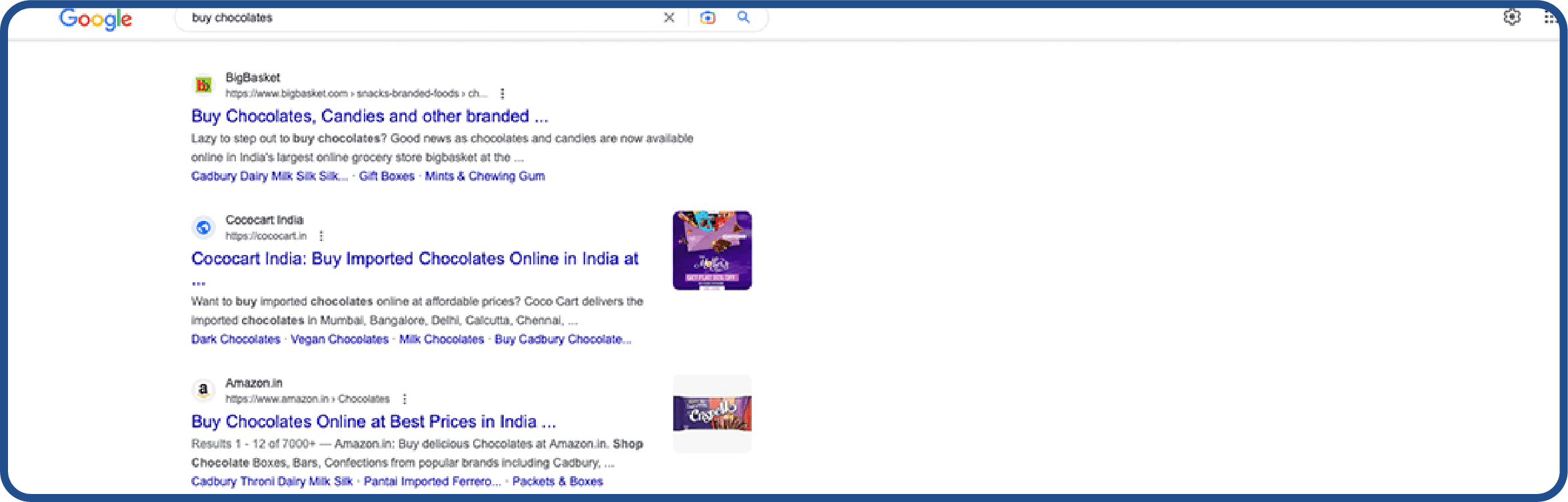
Brands like BigBasket have mastered the art of SEO. They rank at the top of the SERP for most queries related to grocery and everyday essentials.
Optimize your website for SEO as part of your ecommerce marketing strategy

2. Capture High-Intent Leads

This strategy involves collecting contact information from visitors who have shown interest in your products but are not ready to make a purchase yet. When you build a list of leads, you can nurture them later with targeted marketing campaigns. This will push them closer to making a purchase.

Offering a discount on a user's first purchase is a great way to incentivize visitors to give their details. You can use pop-ups, exit-intent overlays, or banners to display the offer while they are browsing your website. By requiring users to provide their basic details to receive the discount, you can collect valuable contact information and build your lead list.

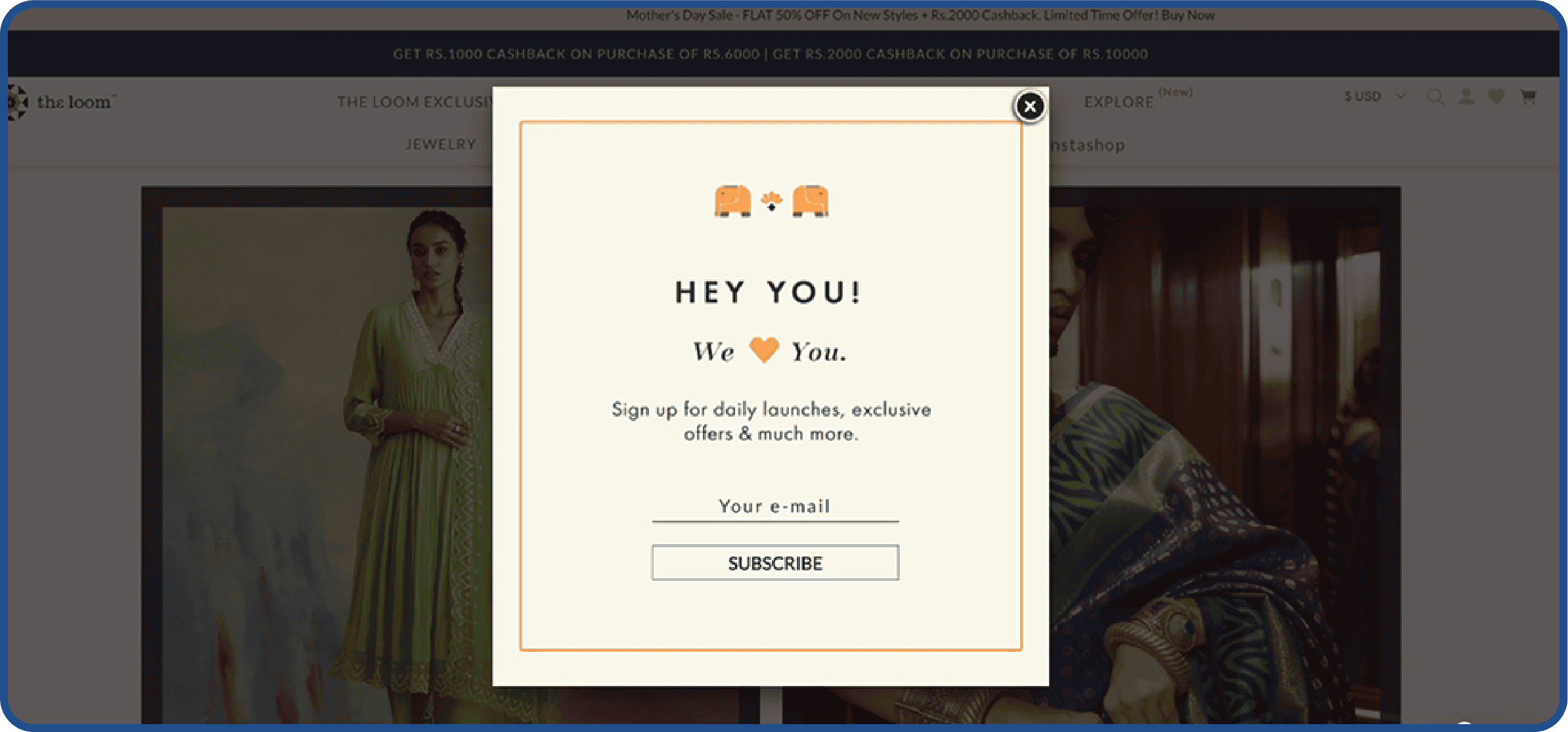
Loom, the online fashion store, uses this strategy effectively to collect information about its visitors. It generates a popup asking for a customer's email address in return for latest updates on new launches and exclusive offers.
Use popups to Collect leads for ecommerce marketing


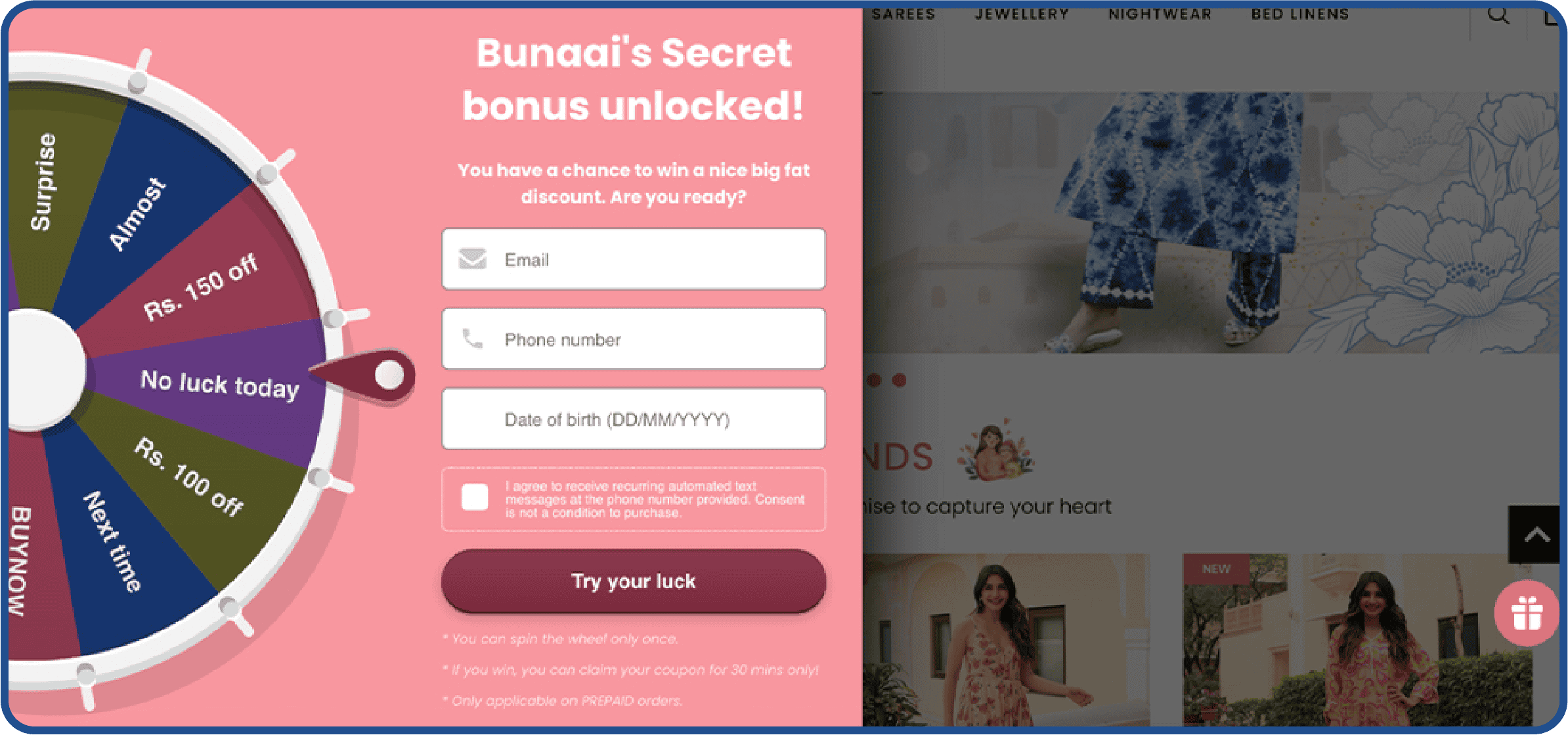
You can also add a discount wheel to your website like how Bunaai, the fashion retailer does. The visitors have to spin a wheel to win a discount on their purchase in return for providing basic information about them. Besides receiving instant discounts, it creates a sense of excitement and fun for the users, which will encourage users to input their information.
 Offer discounts on website to collect leads for ecommerce marketing


To capture leads on your Shopify website, you can use Kwik AI Popups.This tool uses AI-driven intent detection to trigger the right offer at the exact moment a shopper is most likely to convert or exit. This ensures you collect high-quality leads without disrupting the shopping experience.
Kwik AI Popups help Shopify stores capture more leads

3. Personalized Product Recommendations

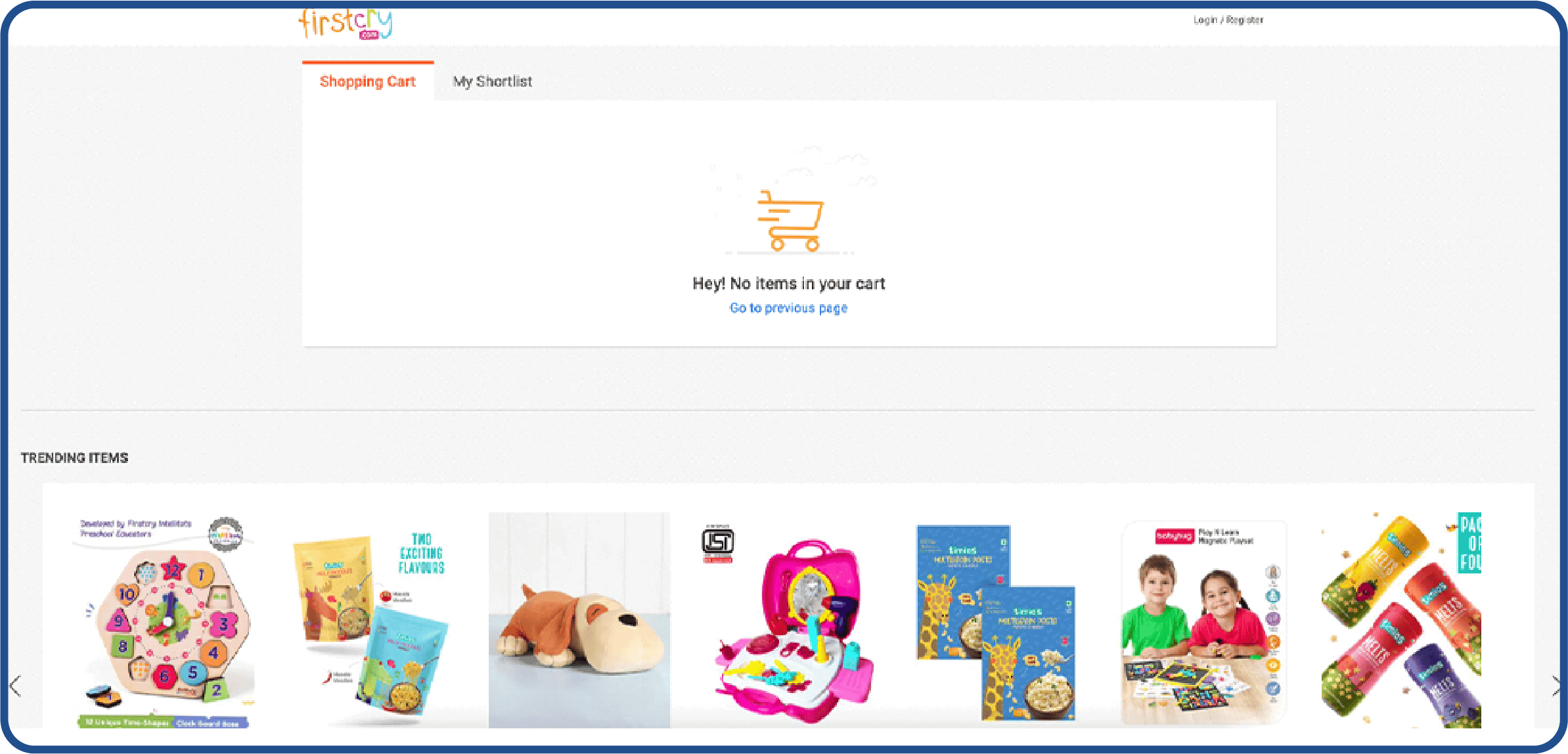
The buyer's journey is not always linear, and many times customers might click the empty shopping cart and reach the blank basket page. In such cases, displaying products related to the user's intended purchase or popular among other shoppers on the empty cart page is a smart move. This way, you provide the visitors with additional purchase options on a page they least expected to find products. This pleasant experience increases the chances of conversion.

For instance, Firstcry, the Online Store for kids and toddlers displays a range of trending items on their empty cart page. They are utilizing the real estate to the fullest potential and not leaving the page with an empty cart message like most businesses do.
Display trending items on the cart landing page for ecommerce marketing


4. Offer Holiday Gifting Guides

The holiday season is a peak time for businesses to drive sales and bring in new customers. The easiest way to do this is by creating a gifting guide. A gifting guide is a curated compilation of products that are perfect for gifting during a particular holiday season.

By creating this guide, you are essentially catering to those people who struggle to find the perfect gift for their loved ones from a vast catalog of products. You can also categorize the products based on different budgets so that customers can find their products even more quickly.

IGP, the online gifting store creates collections under different categories for each individual festival season.
Offer holiday gifting guides as part of your ecommerce marketing strategy

5. Build Subscription Plans

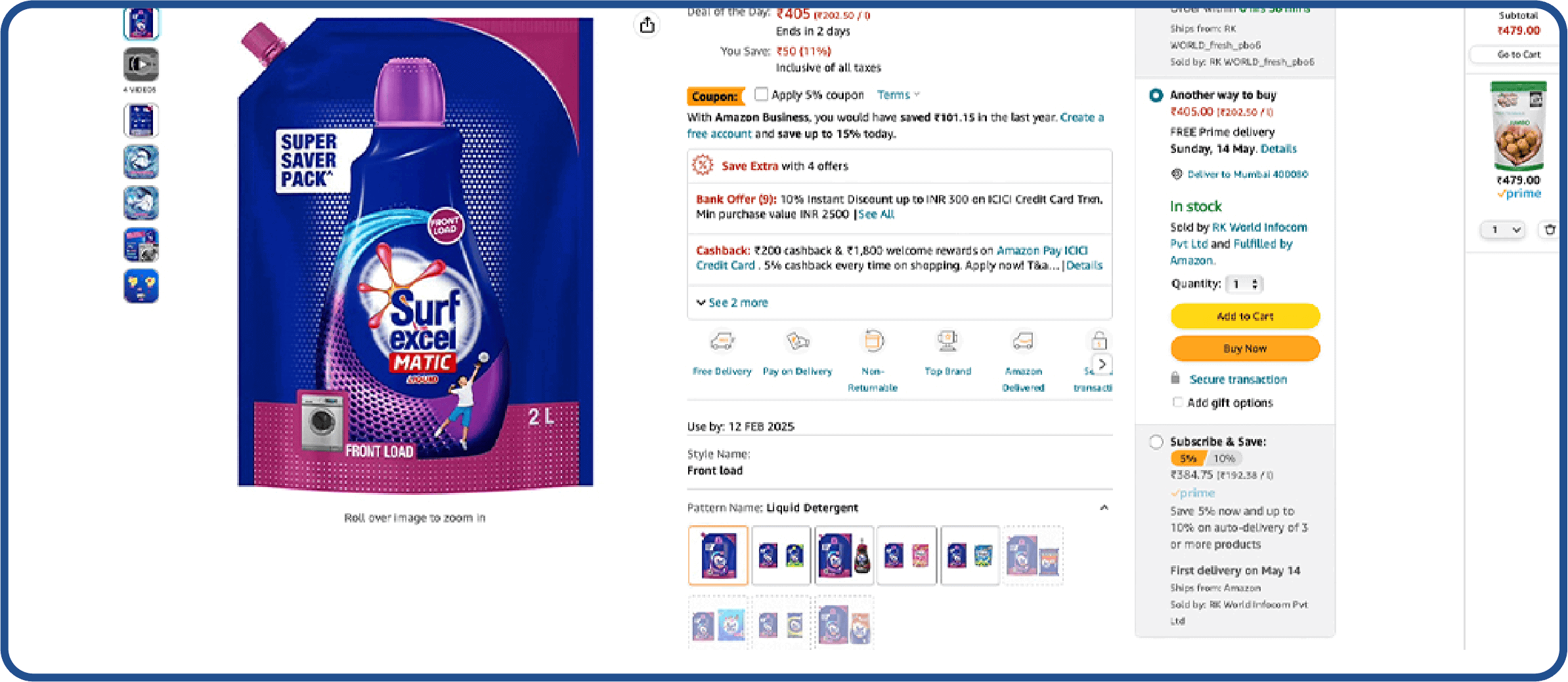
Offering subscription plans for all the relevant products on your website is a great way to generate recurring revenue. In a subscription plan, you enable your customers to opt-in to receive regular shipments of their favorite products at a discounted rate.

Besides the price factor, you are also providing a convenient and hassle-free shopping experience for them. They can avoid the trouble of repeatedly purchasing the same products and at the same time ensure that they always have a supply on hand.

You, on the other hand, enjoy the fruits of recurring revenue, which is a stable and predictable source of income. This enables you to manage your cash flow in a better way and plan for future growth.

Amazon offers subscription plans for most of its grocery products at discounted rates. This increases the customer lifetime value of their customers by encouraging them to continue purchasing their products over an extended period.
Offer subscription plans as part of your ecommerce marketing strategy

6. Leverage Influencer Marketing

One effective way to increase brand awareness and drive traffic to your website is by collaborating with social media influencers. By teaming up with these individuals, you can leverage their established relationships with their followers on different social media platforms like Instagram, Facebook, Twitter, YouTube, etc. This not only introduces your brand to new markets and audiences, but also helps establish credibility by associating your brand with trusted and influential figures who share your values.

For example, Homecenter, a popular home retail brand, partnered with celebrity chef Ranveer Brar to promote its kitchenware. In addition to this collaboration, Homecenter also features several of Ranveer's kitchen tips videos on their website to further engage customers.
 Leverage influencer marketing to boost sales


7. Utilize PPC Advertising

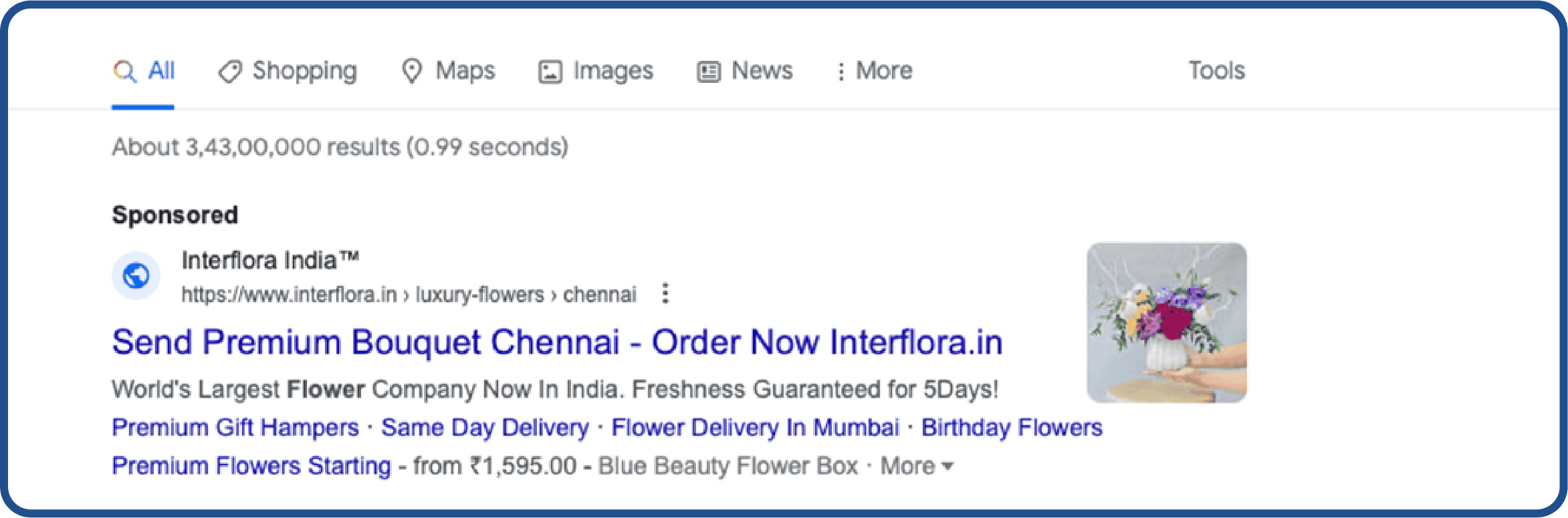
Pay-per-click (PPC) advertising involves placing ads on search engines and other websites and paying each time a user clicks on the ad and visits your site. Using these ads, you can target specific keywords and audiences and only pay for clicks from users who are interested in your products. This results in increased conversions and sales for your E-commerce store, as well as a higher ROI compared to other advertising methods.

Interflora, the online florist, extensively uses PPC advertising in the form of Google ads to attract users to their store.
Utilize PPC ads as part of your ecommerce marketing strategy

Middle of the Funnel (MoFu) E-commerce Marketing Strategies

MoFu marketing strategies nurture the leads and guide them further down the sales funnel by providing valuable information, building trust, and offering personalized experiences. Here are the top MoFu strategies you can employ:

8. Offer Discounts On Wish List Items

The idea behind this marketing strategy is to create a sense of urgency and incentivize customers to make a purchase. The chances of conversion are high as you are offering a lower price for a product they have already expressed interest in.

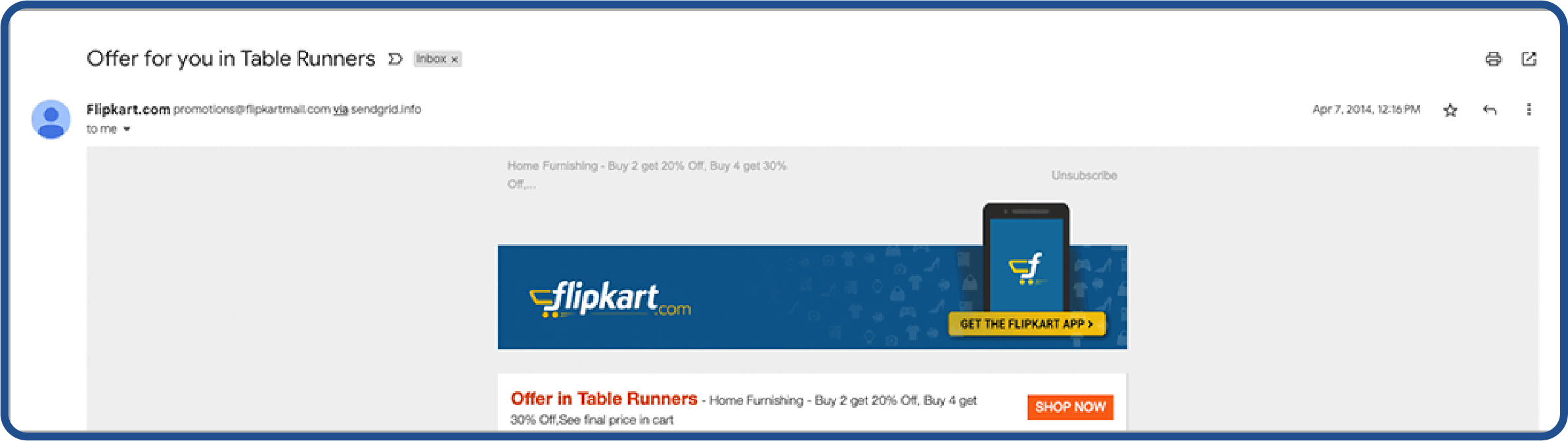
In the below example, you can see Flipkart offering a discount on a particular type of product that the user has shown interest in by adding it to the cart.
Offer discount on wish list items as part of your ecommerce marketing strategy


Customers who receive targeted discounts are more likely to feel valued and they will continue to engage with your brand, enhancing their loyalty.
Kwik Engage helps send cart recovery ecommerce marketing campaigns

9. Be In Contact With Your Customers

Staying connected with your customers is important for keeping your brand fresh in their minds and enhancing brand awareness. You can use various communication channels like email marketing, social media marketing, WhatsApp messaging, and live chat to address customer queries. You can also create email campaigns targeting specific customer groups.

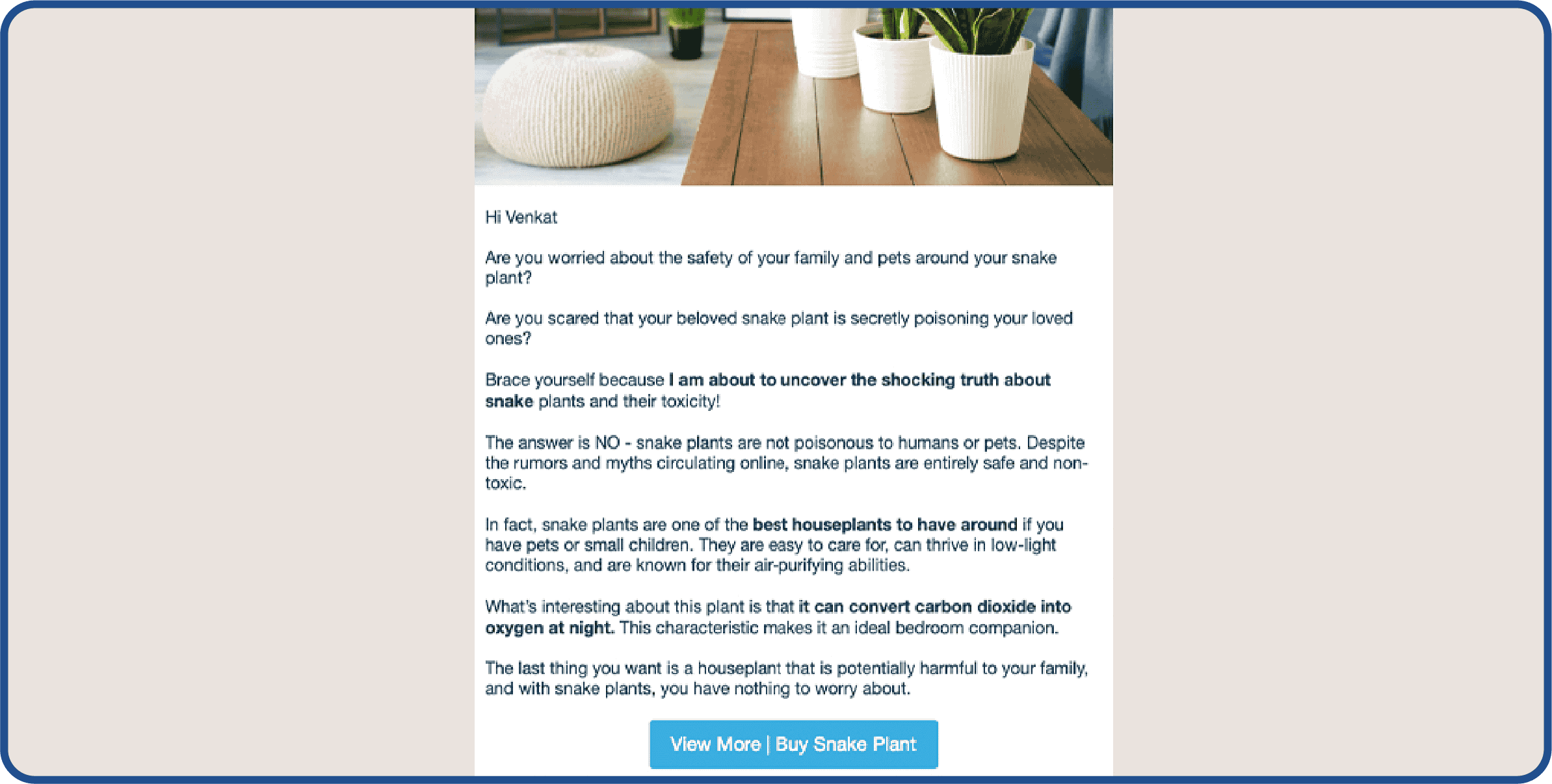
For instance, consider Nurserylive, an online plant seller. They regularly share stories with their customers about different plants and their benefits for homes. Even if the customers are not interested in buying the plants for now, this brand will be the first thing on their minds when they consider purchasing a plant in the future.
Communicate with your customers

10. Recommend Products Based On Past Purchases Or Abandoned Cart Items

When you understand your customer behavior and recommend suitable products, the likelihood of a purchase drastically increases. This is the core idea behind this E-commerce marketing strategy. By offering smart recommendations based on past purchases or abandoned cart items, you are creating a more relevant online shopping experience.

It's important to ensure that the product recommendations are displayed in a way that is both helpful and unobtrusive. Also ensure that the recommendations are relevant, timely, and not overwhelming to the customer.

Most marketplaces like Amazon and Flipkart have a dedicated section of recommended products based on past purchases, abandoned cart items, and browsing history on their home pages.
Recommend products based on past purchase

11. Recover Lost Sales With Abandoned Cart Emails And WhatsApp Notifications

Creating an abandoned cart email flow or WhatsApp notifications helps in recovering lost sales. When your customers add products to their cart but don't complete the purchase, you can automatically send a series of follow-up messages to encourage them to return and complete the purchase.

A typical abandoned cart messaging flow consists of a series of three or more messages, each designed to provide value and encourage customers to complete the purchase. The first email usually reminds customers of the items left in their cart and includes a call-to-action to the shopping cart. Subsequent emails may offer additional incentives, such as discounts or free shipping, to encourage customers to complete the purchase.

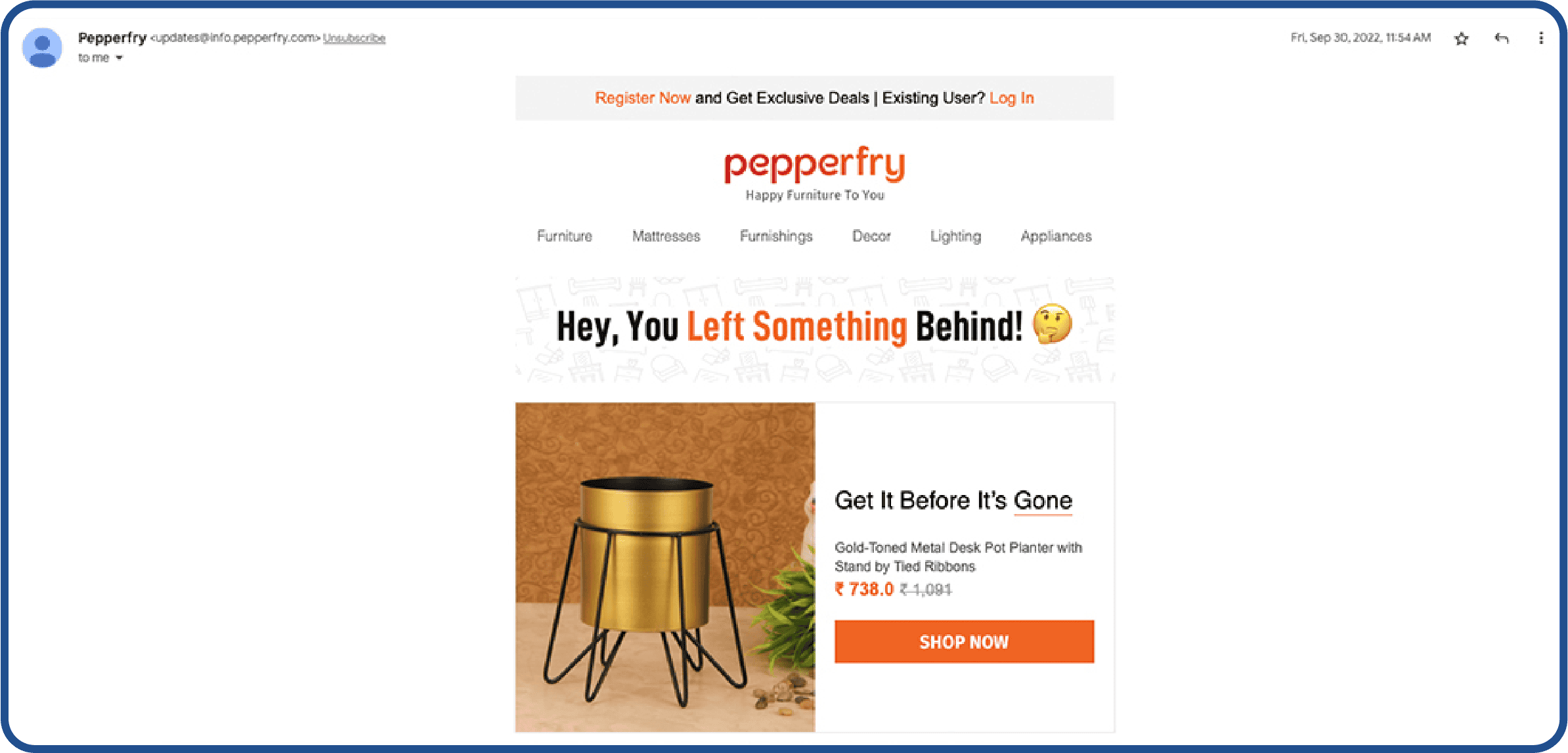
Pepperfry, the online furniture store sends a series of abandoned cart emails, each convincing the customer in a unique way to complete the purchase. For instance, the below email from this brand induces FOMO in the minds of people to get the product before it goes out of stock.
Create abandoned cart email flow to recover sales


Kwik Engage specializes in this by automating high-conversion abandoned cart flows across WhatsApp and Email. By combining this with Kwik Checkout, you can offer a "Buy Now" link directly within the message that takes the user to a pre-filled, one-click checkout page.

Bottom of the Funnel (BoFu) E-commerce Marketing Strategies

BOFU marketing focuses on providing potential customers with the information and incentives they need to make a purchase. Here are the top strategies under this category -

12. Use Customer Testimonials As Social Proof

When you share positive reviews and feedback from satisfied customers, you end up demonstrating the high quality of your products, thereby encouraging potential customers to make a purchase. Sharing testimonials with potential customers also helps in addressing common objections or concerns that potential customers may have.

You can feature customer reviews on your product pages. You can also share customer quotes and feedback on social media. But to succeed in this strategy, you must constantly encourage your existing customers to leave reviews and feedback. You can also incentivize this process by offering discounts or gift coupons.

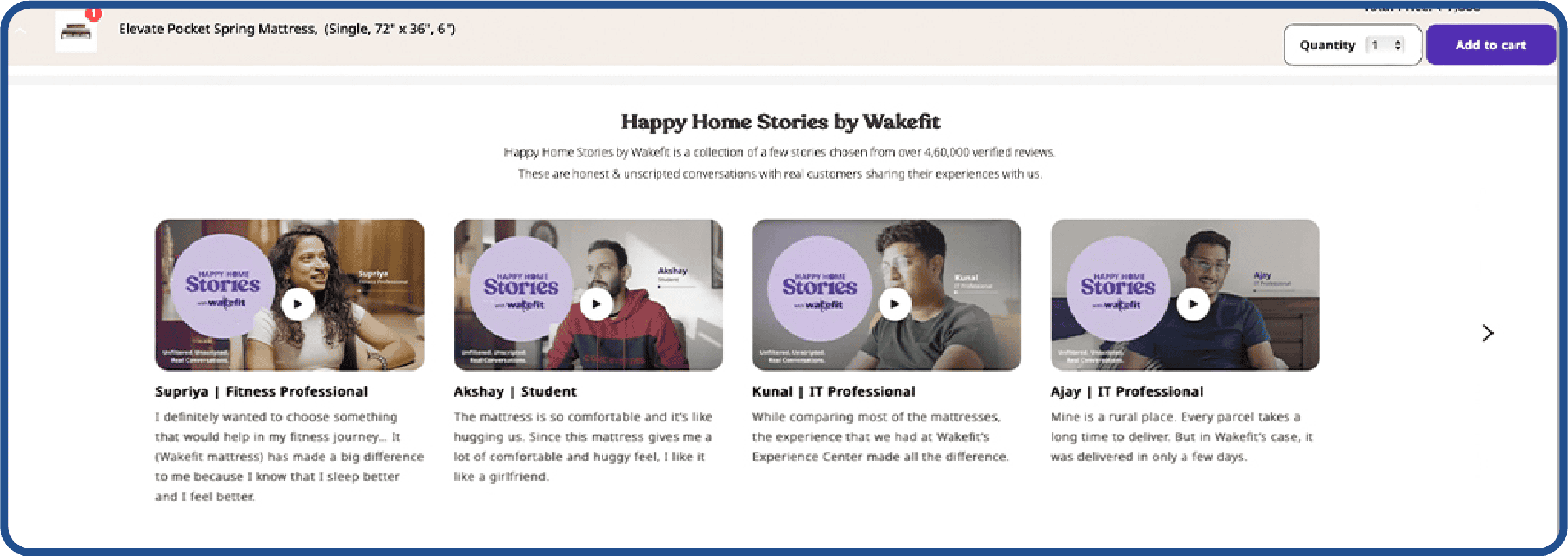
Wakefit, the online sleep company, shares customer testimonials in the form of videos on every product’s detail page so that customers can go through the experience of other happy customers and make an informed decision.
Use customer testimonials as social proof for successful ecommerce marketing

13. Convince Warm Prospects

In this, you convert potential customers who have already expressed some level of interest in your products. A warm prospect is someone who has interacted with your store in some way, such as signing up for a newsletter, adding items to their cart, or visiting a product page multiple times.

One way to convince them is by sending personalized follow-up emails and encouraging them to complete their purchase. But the faster way to convince them is by offering an instant discount while they are browsing through your website.

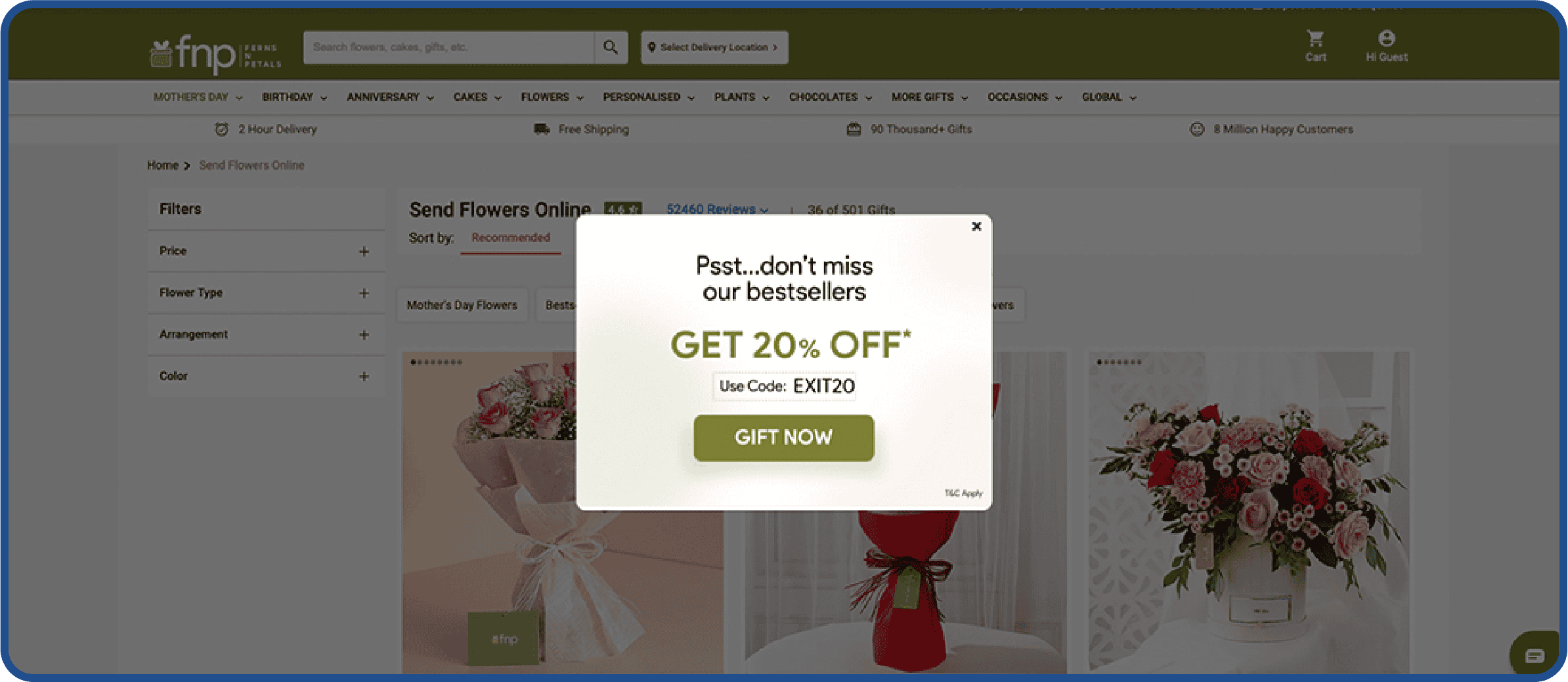
Ferns n Petals offers discounts during user sessions with the help of pop-ups. This is a great way to convince visitors who are contemplating whether to make a purchase or not.
Offer discounts as part of your ecommerce marketing strategy

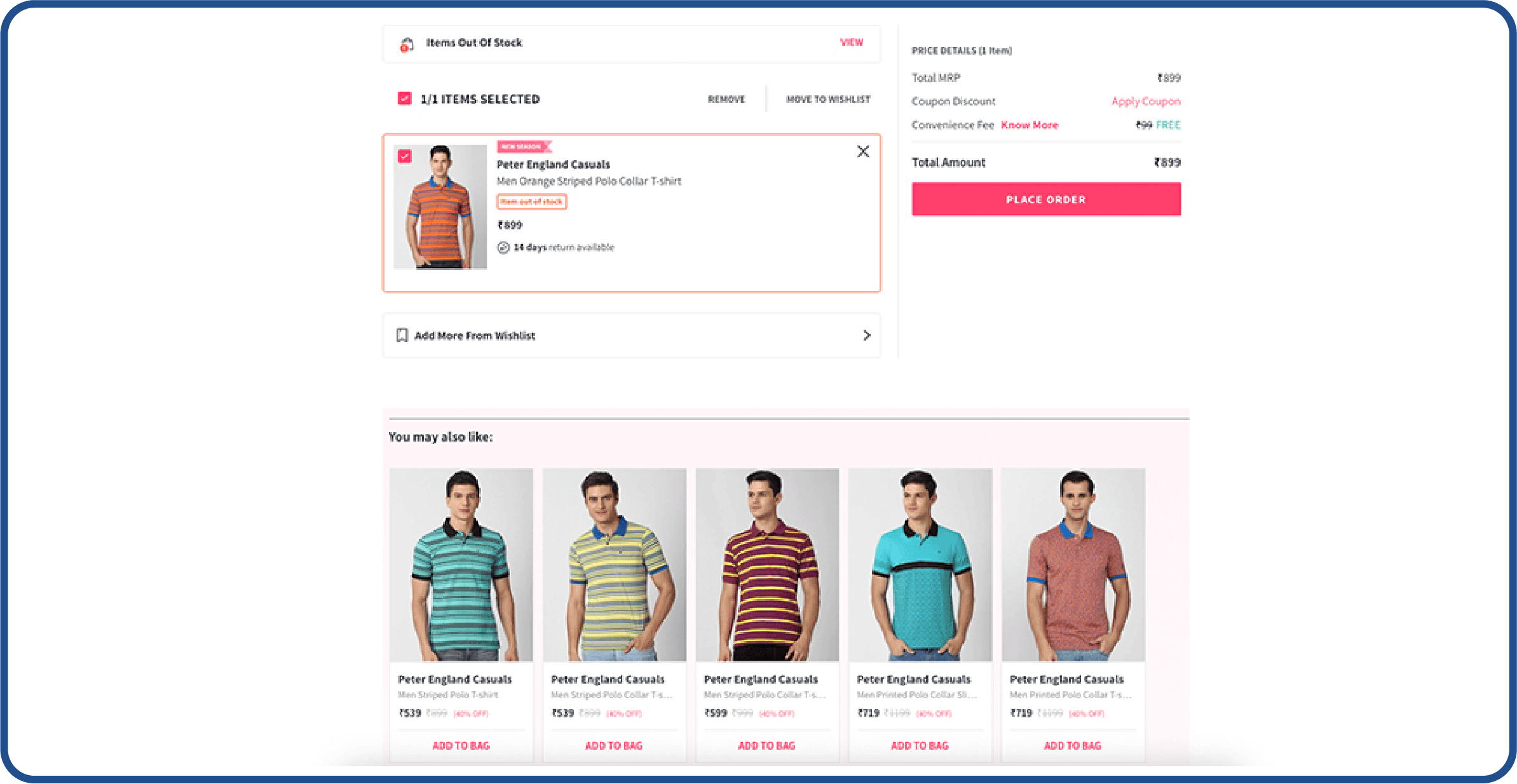
14. Reduce Frustration Of Sold Out Products In The Cart

When products go out of stock, it can be frustrating for customers who have already added them to their cart. One way to reduce this frustration is by providing alternative options. For example, if a customer has added a dress to their cart that is now sold out, you can suggest similar dresses or products that may fit their style or preferences. You can also notify them when the original product is back in stock.

By providing alternative options and being transparent about stock availability, you are showing customers that you value their time and their experience. This can help avoid negative reviews or feedback from these frustrated customers.

Myntra addresses this issue by showcasing products that are quite similar to the out-of-stock product on the cart page. This ensures that the user’s purchase journey doesn’t end abruptly, resulting in a more positive experience for them.
Inform about sold out products as part of your ecommerce marketing strategy

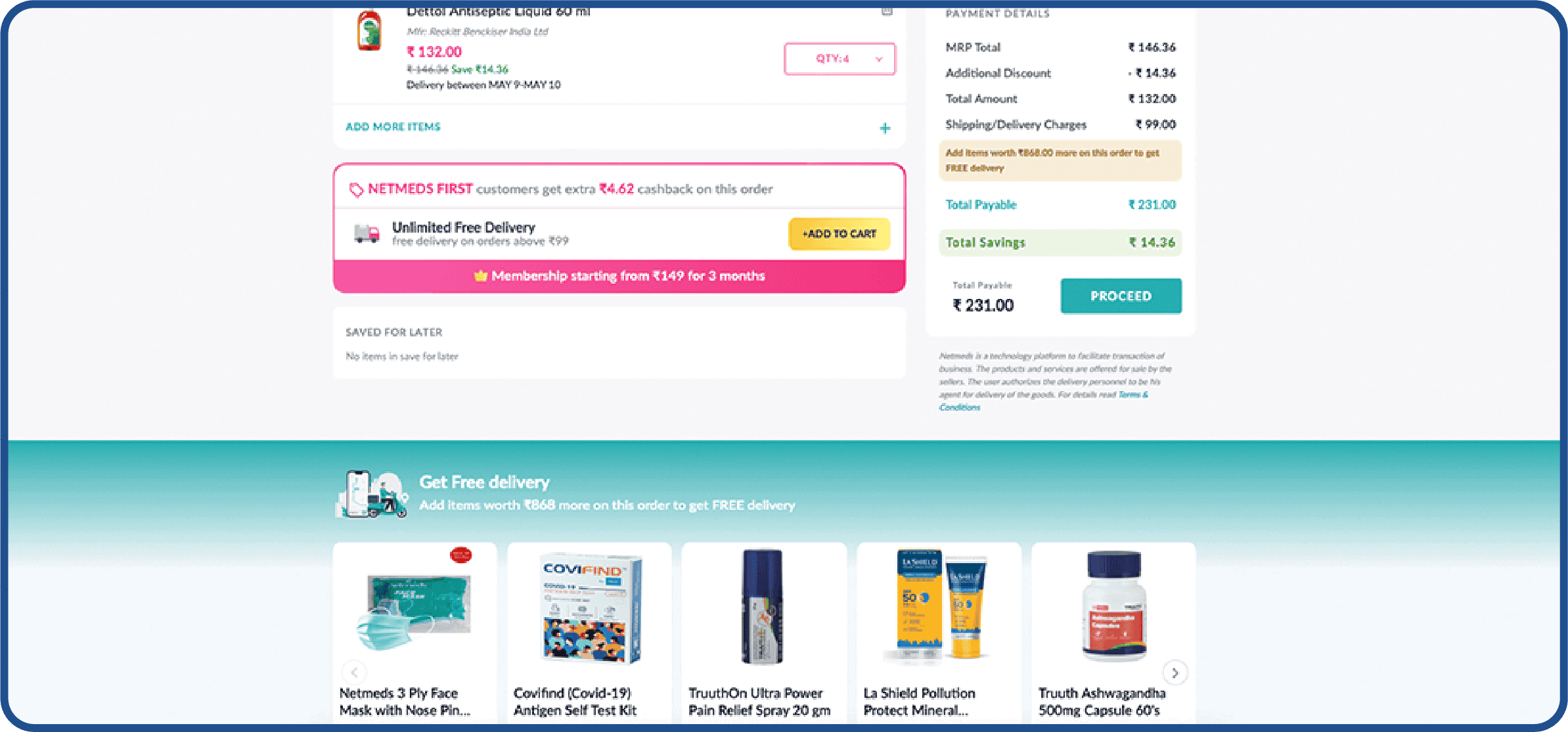
15. Combine The Psychology Of FOMO And Free Shipping

FOMO (Fear Of Missing Out) is a psychological phenomenon that has been extensively used in the world of business. It revolves around people getting anxious or stressed about missing out on an opportunity, such as a limited-time offer on a popular product. The easiest way to implement this strategy in your online store is by clubbing it with cashback or free shipping.

For instance, you can make free shipping available for a limited period, such as a 24-hour flash sale. You can also induce FOMO by displaying the cart value left for unlocking free delivery. Netmeds, the online pharmacy displays this value in a prominent real estate on the cart page. This automatically encourages users to add products at that value to enjoy free shipping. This is a great way to improve the average order value for your business.
Invoke fear of missing out as part of your ecommerce marketing strategy


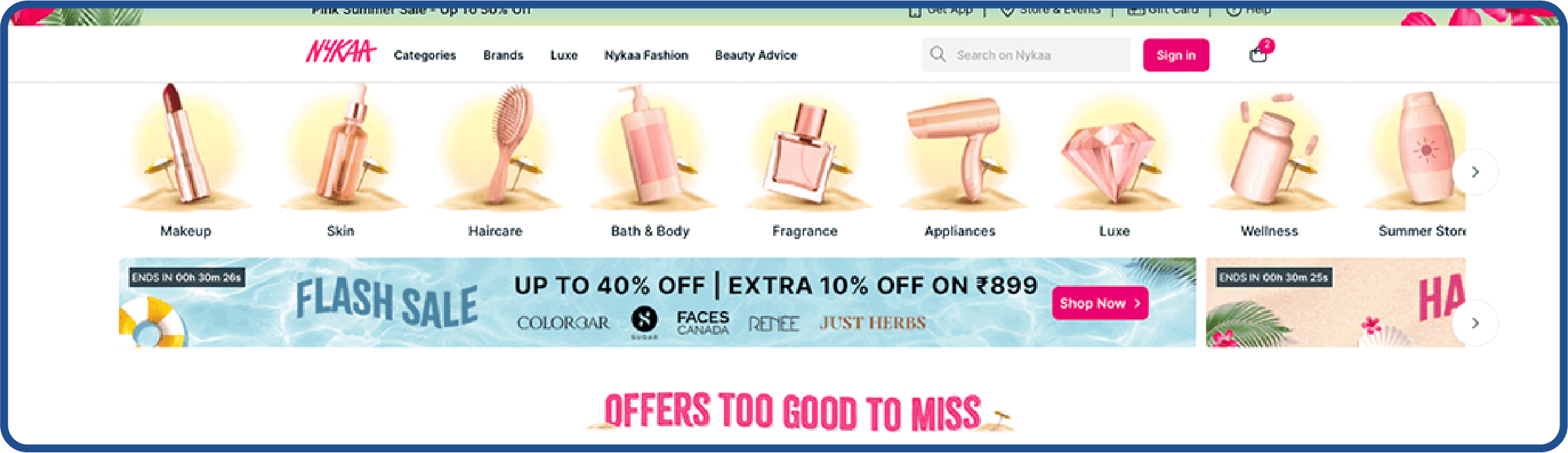
Nyka, the beauty retailer, runs time-based discounts regularly on their website. It induces FOMO in the minds of visitors and encourages them to check out the sale products and make a purchase.
How Nykaa uses FOMO on their website as part of their ecommerce marketing strategy

Within the Kwik Checkout workflow, you can dynamically display these "Free Shipping" progress bars and personalized offers. This removes friction at the most critical stage of the funnel, ensuring the FOMO leads to an immediate conversion.

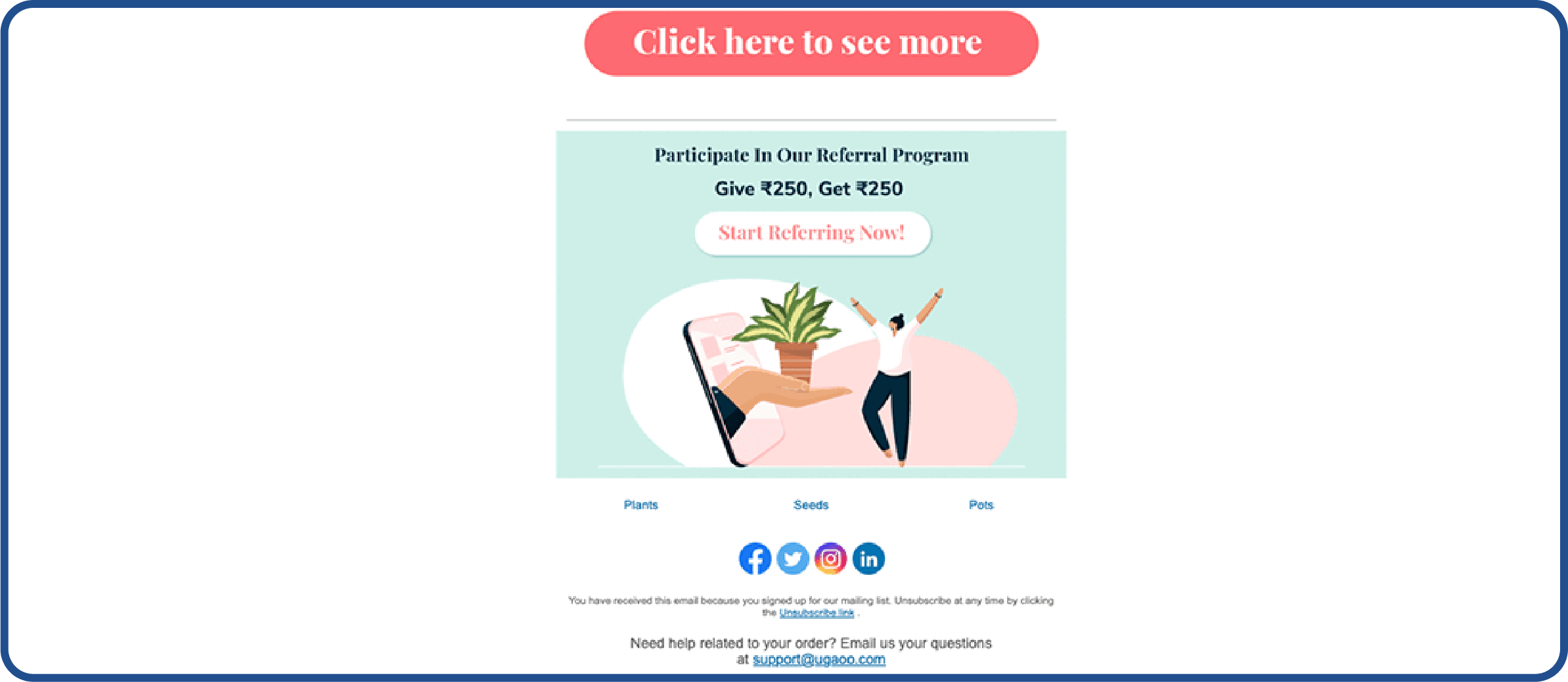
16. Ask For Referrals

Referrals are recommendations made by satisfied customers to their friends and family members. To encourage referrals for your E-commerce business, you can offer incentives to your customers such as discounts or rewards for each successful referral. You can also make it easy for your customers to refer by providing them with a referral link that they can send to their contacts.

By leveraging the power of referrals, you can tap into the vast networks of your existing customers, and acquire new customers at a lower cost than through traditional advertising methods. Referrals also act as valuable social proof, as new customers are more likely to trust recommendations from their friends and family members than from other sources.

Ugaoo, the online nursery store offers the benefit of each successful referral to both the referrer and the referee. This is a great way to promote referrals as the additional benefit will make the existing customer keener on sharing their positive experience with their loved ones.
Ask for referrals as part of your ecommerce marketing strategy

17. Set Up A Customer Loyalty Program

A customer loyalty program can help retain your existing customers and encourage repeat purchases. As the name suggests, it is a membership program that rewards customers for their long-term association with the brand.

It usually works by assigning points to customers for their purchases or other activities, such as referrals or social media shares. These points can then be redeemed for rewards, such as cashbacks, discounts, free products, or exclusive access to promotions.

By offering these benefits, you create a sense of exclusivity and appreciation among your customers, which can increase their satisfaction and encourage them to continue shopping with your business.

Adidas, the sportswear brand, has a loyalty program called Adiclub. It provides exclusive benefits and special offers to all its members. Whenever the customer shops or reviews, they earn points that unlock new levels and rewards.
Set up a customer loyalty program as part of your ecommerce marketing strategy

How GoKwik Helps Execute Successful E-Commerce Marketing

Driving traffic is only half the battle; the real challenge lies in converting that traffic into captured revenue. GoKwik provides an AI-powered ecosystem that acts as a growth engine for D2C brands, bridging the gap between marketing efforts and actual sales. By addressing friction points across the entire customer journey, GoKwik ensures your marketing investment results in higher conversions and long-term retention.

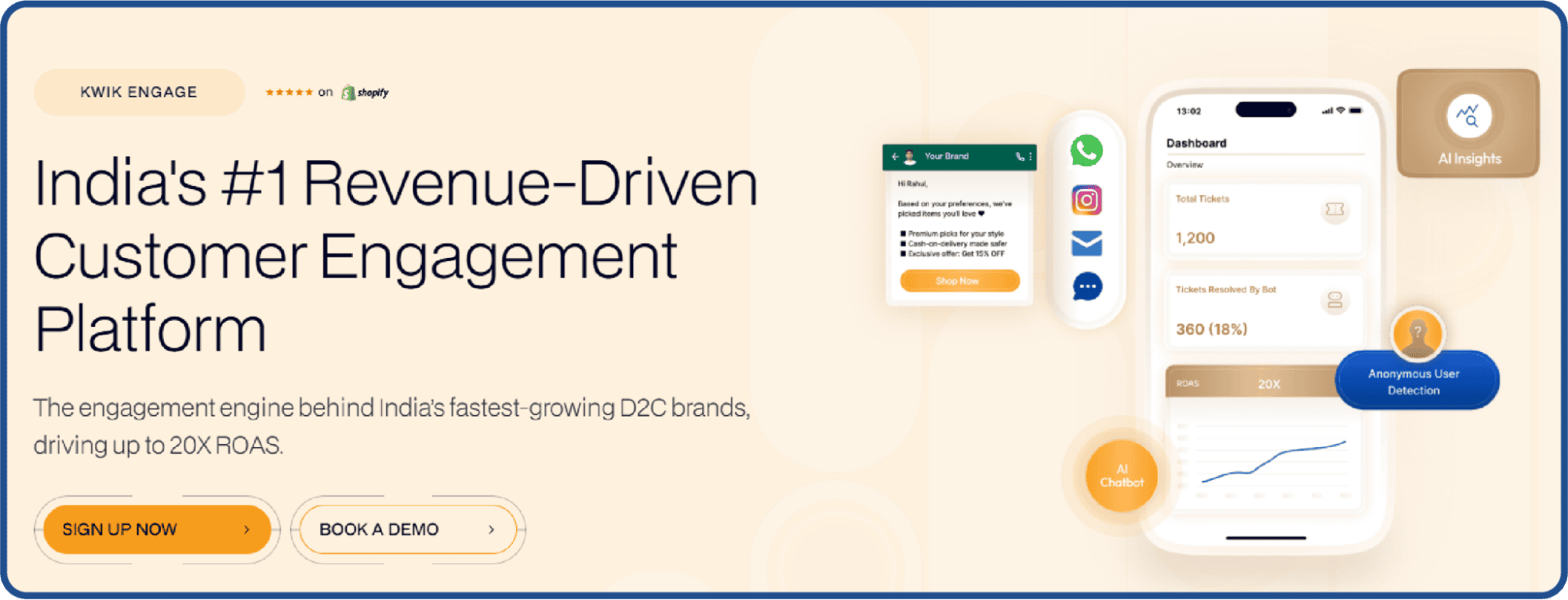
Kwik Engage: Full-Cycle Marketing Automation

Kwik Engage helps with ecommerce marketing strategies

Kwik Engage allows you to execute high-conversion marketing strategies across multiple communication channels like WhatsApp and Email.
  • Recover Lost Sales: Automate abandoned cart sequences that remind shoppers of what they left behind, using a mix of reminders and incentives.
  • Personalized Nurturing: Beyond simple reminders, it allows you to stay in constant contact with your customers by sharing brand stories and educational content, keeping your brand top-of-mind.
  • Channel Optimization: Reach your customers on the platforms they use most, ensuring your marketing messages are actually seen and acted upon.

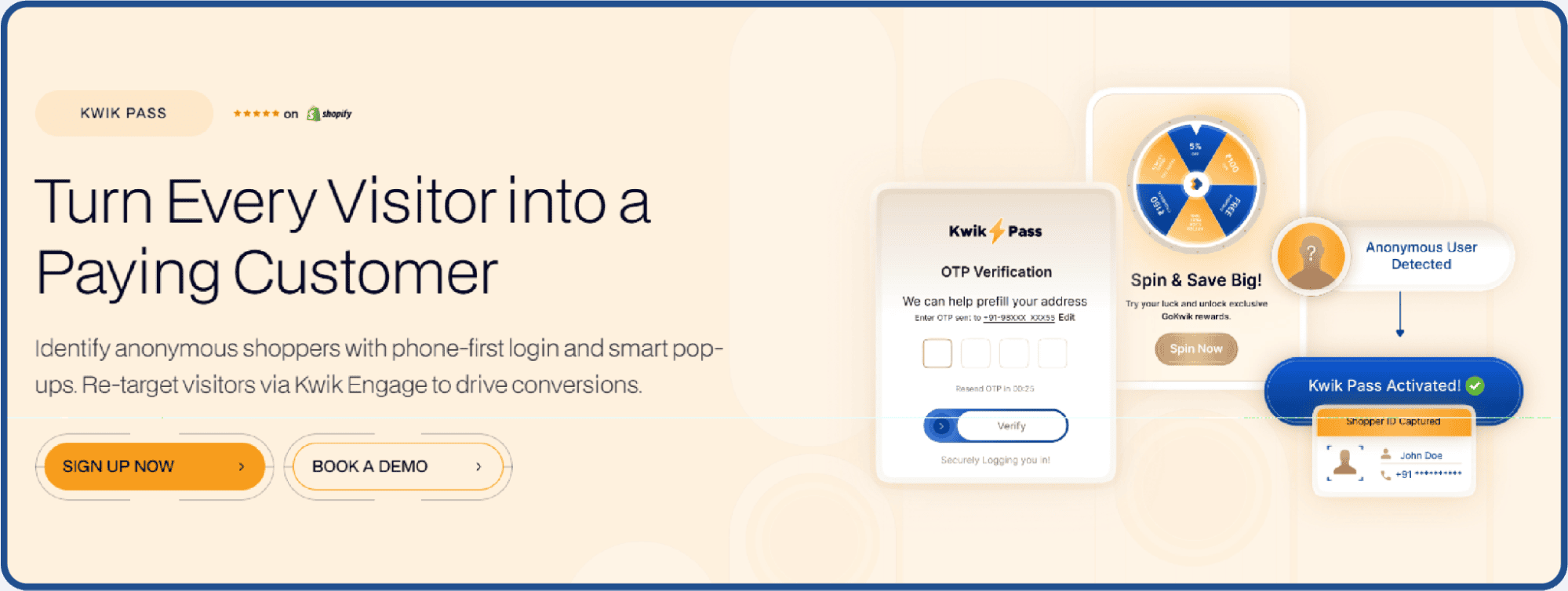
Kwik Pass: Identifying Anonymous Shoppers

Kwik Pass enables OTP login and retargeting for ecommerce marketing strategies

One of the biggest leaks in an e-commerce funnel is the "anonymous visitor." Kwik Pass solves this by identifying customers even before they log in.
  • Targeted Campaigns: Once a visitor is identified, you can run hyper-targeted campaigns based on their verified shopping history across the GoKwik network.
  • Seamless Recognition: By recognizing returning customers instantly, you can provide personalized product recommendations that significantly increase the likelihood of a purchase.
  • Higher ROI: Focus your marketing spend on users with a proven intent to buy, reducing wasted ad spend on cold traffic.

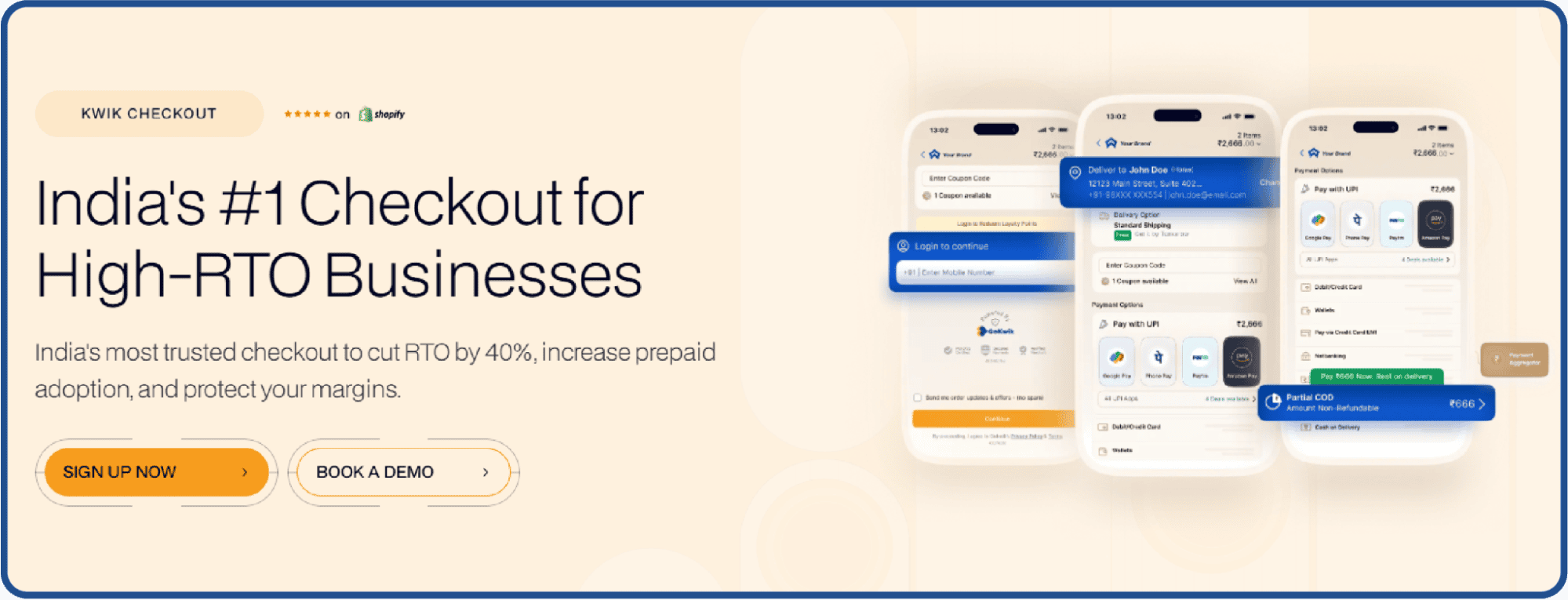
Kwik Checkout: Conversion at the Finish Line

Kwik Checkout helps with high-conversion ecommerce marketing strategy

Your marketing efforts shouldn't fail at the last step. Kwik Checkout is designed to eliminate friction in the checkout workflow.
  • Dynamic Offers: Surface the right discounts and loyalty rewards directly within the checkout process to convince "warm prospects" to complete their purchase.
  • AOV Boost: Use the psychology of FOMO by displaying the remaining cart value needed to unlock free shipping right as the user is about to pay.
  • One-Click Checkout Experience: Provide a lightning-fast checkout that keeps shoppers from reconsidering their purchase, directly improving your bottom-of-the-funnel conversion rates.

Return Prime: Protecting Your Marketing ROI

Return Prime helps in converting refunds into review

A sale isn't truly a sale until the product stays with the customer. Return Prime helps you manage the post-purchase experience to safeguard your revenue.
  • Reduce RTO: Use AI-driven insights to identify high-risk orders and reduce Return to Origin (RTO) rates.
  • Convert Returns to Revenue: Instead of losing a customer to a refund, Return Prime makes it easy to convert returns into product exchanges or store credit.
  • Build Trust: A smooth, transparent returns process acts as social proof, encouraging customers to shop with confidence and refer your brand to others.

Conclusion

The landscape of e-commerce marketing is shifting toward hyper-personalization and frictionless transactions. As we head into 2026, the brands that thrive will be those that move beyond generic marketing efforts to focus on the holistic customer journey. By integrating advanced customer data with seamless user experience tools, ecommerce businesses can transform one-time visitors into loyal, repeat customers. The future belongs to those who prioritize building trust through every touchpoint, from discovery to the checkout process.
Ready to scale your brand with an AI-powered growth engine? Book a GoKwik demo now.
Enjoying this article? Share it with the world!

Frequently Asked Questions

Atul Bansal

AUTHOR

Atul Bansal

Head of Marketing

Atul leads marketing at GoKwik, championing D2C brand building, growth strategies, scalable GTM for e-commerce, and data-driven customer acquisition. A former Amazon leader and IIFT MBA alumnus based in Bengaluru, he brings 15+ years scaling business across e-commerce, and fintech.