How KwikAds helped Shop Unrush boost ROAS by 37% in 3 months
How KwikAds helped Shop Unrush boost ROAS by 37% in 3 months
How KwikAds helped Shop Unrush boost ROAS by 37% in 3 months
How KwikAds helped Shop Unrush boost ROAS by 37% in 3 months
eCommerce
What is Transaction Success Rate? It's Meaning & Importance In eCommerce
 25 Mar 2026
 08 Min Read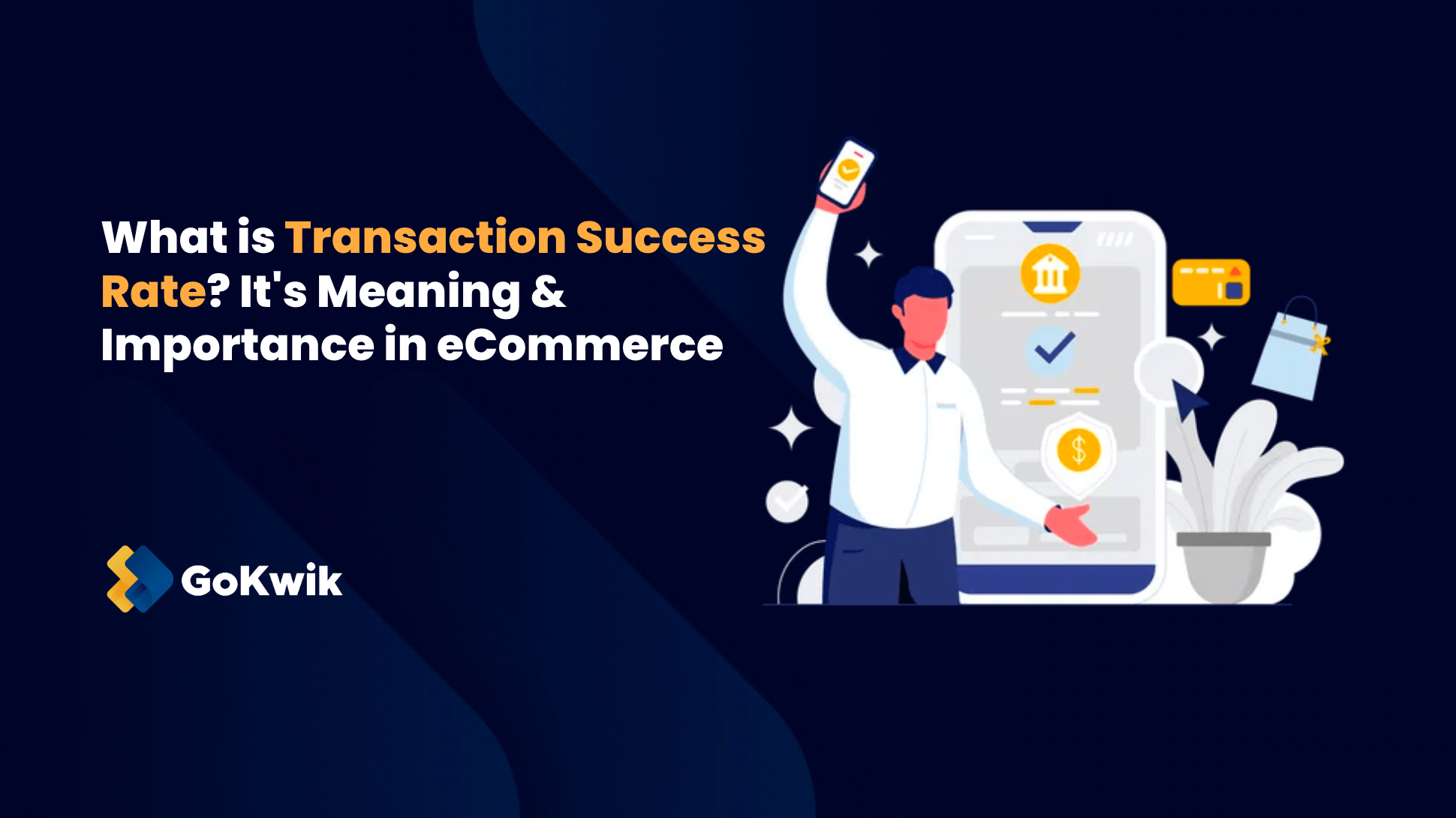
Atul leads marketing at GoKwik, championing D2C brand building, growth strategies, scalable GTM for e-commerce, and data-driven customer acquisition. A former Amazon leader and IIFT MBA alumnus based in Bengaluru, he brings 15+ years scaling business across e-commerce, and fintech.
Read this blog on your favourite platform
One thing that the ever-evolving landscape of eCommerce is teaching us is that success isn't just measured by the number of people that visit an online store, rather by the efficiency of its transactional processes. One crucial metric that has gained paramount importance for eCommerce brands today is the transaction success rate (TSR). This metric is a key indicator of how well an online business is performing in terms of completing transactions without any hitches.
In this blog, we'll aim to explain what is transaction success rate, why it matters more than ever for eCommerce brands in 2024, and how businesses can enhance this crucial metric to thrive in today's competitive digital marketplace.
What Is Transaction Success Rate?
Transaction Success Rate is a simple metric that measures the percentage of successful transactions out of the total attempted transactions on an eCommerce platform. It is a key performance indicator (KPI) that reflects the efficiency and reliability of an online business in processing and completing customer transactions.
The formula to calculate transaction success rate is quite straightforward:
The formula to calculate transaction success rate is quite straightforward:
TSR = Successful Transactions ×100 Total Transactions
A high TSR indicates a smooth and seamless user experience, while a low TSR suggests potential issues in the transaction process that could lead to customer dissatisfaction, cart abandonments, and, ultimately, lost of revenue.
1. Customer Satisfaction and Retention
A seamless and successful transaction contributes significantly to customer satisfaction. When customers can effortlessly complete their purchases without encountering errors or delays, they are more likely to have a positive perception of the brand. Positive experiences lead to customer loyalty and retention. Satisfied customers are more likely to return for future purchases and recommend the brand to others, contributing to long-term business success.
2. Revenue Impact
TSR directly influences revenue generation. Higher transaction success rates translate to more completed purchases, maximizing revenue potential. Conversely, a low TSR can result in abandoned carts and frustrated customers, leading to lost sales opportunities. This underscores the financial importance of optimizing TSR for eCommerce businesses.
3. Brand Reputation
In the digital age, where online reviews and social media play a significant role in shaping brand perception, a smooth transaction process is crucial for maintaining a positive reputation. Negative experiences, such as payment failures or technical glitches during transactions, can quickly tarnish a brand's image. On the other hand, a high TSR contributes to positive reviews and enhances the brand's standing in the market.
4. Competitive Advantage
In a saturated eCommerce landscape, where customers have numerous options, a high TSR becomes a competitive advantage. Consumers are more likely to choose a platform that consistently delivers a reliable and hassle-free shopping experience. Brands that prioritize and optimize their TSR gain a competitive edge by differentiating themselves from competitors who may struggle with transaction-related issues.
1. Payment Processing
Efficient and secure payment processing is a cornerstone of a high TSR. Integration with reliable payment gateways and technologies that minimize payment failures are essential for a smooth transaction experience.
2. Website Performance & User Experience
The speed and responsiveness of an eCommerce website directly impact TSR. Slow loading times and website errors can lead to abandoned transactions. Regular performance monitoring and optimisation are crucial. At the same time, intuitive and user-friendly design elements, including clear calls-to-action, a simplified checkout process, and informative error messages, can enhance the overall user experience and contribute to a higher transaction success rate.
3. Mobile Optimisation
With the increasing prevalence of mobile shopping, optimising the transaction process for mobile users is imperative. A responsive design and user-friendly mobile interface contribute to a higher TSR among mobile shoppers.
4. Security Measures & Server Issues
Customers are rightfully concerned about the security of their personal and financial information. Implementing robust security measures, such as SSL encryption, builds trust and contributes to a higher TSR. Meanwhile, high traffic or system overload during peak times can lead to transaction processing delays or failures. And, issues with database connectivity or errors can also disrupt the transaction flow.
Strategies to Improve Transaction Success Rate
Improving transaction success rate in eCommerce is essential for enhancing customer satisfaction, increasing revenue, and maintaining a positive brand reputation. Here are some effective strategies to boost your Transaction Success Rate:
1. Optimise Website Performance
- Fast Loading Times: Ensure your website loads quickly to prevent customer frustration and abandonment during the transaction process.
- Mobile Optimisation: With the increasing use of mobile devices, optimise your site for mobile responsiveness to provide a seamless experience across different platforms.
2. Simplify Checkout Process
- Guest Checkout Option: Offer a guest checkout option to streamline the process for first-time customers who may not want to create an account.
- Progress Indicators: Clearly display progress indicators during the checkout process so customers know how many steps are left before completing their purchase.
3. Multiple Payment Options
- Diverse Payment Methods: Provide a variety of payment options to cater to different customer preferences. Include credit/debit cards, digital wallets, and other popular regional payment methods.
- Saved Payment Information: Allow customers to save their payment information securely for quicker and more convenient future transactions.
4. Invest in Reliable Payment Gateways
- Choose Reputable Providers: Select trustworthy and reliable payment gateways with a proven track record for secure and efficient transactions.
- Regularly Update Systems: Stay current with updates and security measures to ensure the safety of customer payment data.
5. Enhance Security Measures
- SSL Encryption: Implement SSL encryption to secure customer data during the transaction process, instilling confidence in users.
- Fraud Detection Systems: Integrate robust fraud detection systems to prevent unauthorised transactions and protect both the business and the customers.
6. Clear Communication
- Transparent Policies: Clearly communicate shipping costs, taxes, and any additional fees during the checkout process to avoid surprises.
- Confirmation Emails: Send prompt and detailed confirmation emails to customers, including order details and tracking information if applicable.
7. Proactive Customer Support
- Live Chat: Implement live chat support to assist customers in real-time during the checkout process.
- Clear Contact Information: Provide easily accessible customer support contact information in case customers encounter issues and need assistance.
8. Regular Monitoring and Analysis
- Monitor Analytics: Use analytics tools to monitor transaction success rates, identify potential bottlenecks, and track customer behaviour.
- Predictive Analytics: Employ predictive analytics to anticipate and address issues before they impact the transaction process.
9. Continual Optimisation
- Iterative Improvements: Regularly assess and optimise the entire transaction process based on data, user feedback, and industry best practices.
- Stay Updated: Keep abreast of industry trends and technological advancements to implement new features and improvements that enhance the overall transaction experience.
By implementing these strategies, eCommerce businesses can not only improve their Transaction Success Rate but also create a positive and efficient shopping experience that encourages customer loyalty and repeat business.
Conclusion
In the dynamic world of eCommerce, where customer expectations continue to rise, Transaction Success Rate has emerged as a critical metric that directly influences the success and sustainability of online businesses. Prioritizing a seamless transaction experience contributes not only to customer satisfaction and retention but also to revenue growth and a positive brand reputation.
As eCommerce brands navigate the challenges of a competitive market, understanding the factors that affect TSR and implementing strategic optimizations are key to staying ahead. By investing in technology, prioritizing user experience, and addressing potential pain points, businesses can unlock the full potential of their Transaction Success Rate, ensuring a thriving and successful future in the digital marketplace.
What is a good payment transeaction success rate?
A good payment transaction success rate is 95% or above. High-performing e-commerce brands achieve 97–99%. Anything below 90% signals serious issues with payment infrastructure that need immediate attention.
Why transaction rate matter?
Every failed transaction is direct revenue lost. A low success rate increases cart abandonment, erodes customer trust, and pushes shoppers to competitors. For D2C brands scaling in India, even a 1–2% improvement in success rate can translate into significant revenue recovery, especially at high order volumes.

AUTHOR
Atul Bansal
Head of Marketing
Explore Related Blogs

Kwik Engage
8 Best AI Chatbots for E-Commerce in 2026: Features, Pricing and Best Fits
28-Apr-202614 Min Read
Kwik Engage
24 Types of Emails Every D2C E-Commerce Brand Should Send
14-Apr-202614 Min Read
Kwik Engage
What is Promotion Mix and How E-commerce Brands Can One for Maximum Sales?
13-Apr-202614 Min Read